
Summary
Understanding why memory care costs more than assisted living helps families evaluate the value behind specialized dementia support. Memory care communities invest in higher staffing ratios, specialized training, enhanced safety features, and personalized programming that reflect residents' changing cognitive needs.
- Associates receive specialized dementia care training in communication strategies, behavioral support, and person-centered approaches, with higher associate-to-resident ratios enabling individualized attention throughout the day
- Safety-enhanced neighborhoods include secured entrances, monitored outdoor spaces, visual navigation cues, and thoughtful layouts designed specifically for residents living with dementia
- Structured programming offers sensory experiences, music therapy, reminiscence activities, and small-group opportunities personalized to each resident's interests and abilities
- Regular assessments help associates understand changing needs and adjust personalized support plans, with ongoing family communication maintaining consistency in care
- Specialized dining programs provide adapted meal presentations, verbal cues, and individualized mealtime support for residents experiencing changes in appetite or eating abilities
Families comparing senior living options often wonder why memory care costs more than assisted living. Both provide personalized support, but memory care generally comes with a higher monthly cost. Understanding the memory care vs. assisted living price difference can help families plan financially and choose the right support for their loved one.
The difference reflects specialized dementia training, enhanced safety features, and individualized programming. For families exploring options in Visalia, CA, understanding these services makes it easier to evaluate the value behind each level of support.
Specialized Training and Higher Associate-to-Resident Ratios
Memory care communities generally maintain higher associate-to-resident ratios than assisted living communities. This allows associates to provide more individualized attention throughout the day, particularly for residents who need additional guidance or reassurance.
Associates receive specialized training in dementia communication, behavioral support, and person-centered approaches. Training often covers:
- Dementia care techniques and communication strategies
- Approaches for responding to confusion, anxiety, or behavioral changes
- Recognizing individual triggers and patterns
- Creating meaningful engagement opportunities based on personal interests
Ongoing education and additional associate coverage contribute to memory care pricing vs. assisted living. These investments help residents receive support that reflects their changing cognitive needs.
Enhanced Safety Features and Secure Neighborhood Design
Memory care neighborhoods incorporate thoughtful design features that address the needs of residents living with Alzheimer's disease or other forms of dementia.
These environments often include:
- Secured entrances and exits to help manage wandering risks
- Monitored outdoor spaces that encourage safe movement
- Walking pathways designed to reduce confusion
- Visual cues and familiar landmarks that support navigation
Specialized layouts, monitoring systems, and environmental considerations require additional resources. These features help explain what makes memory care expensive compared to traditional assisted living.
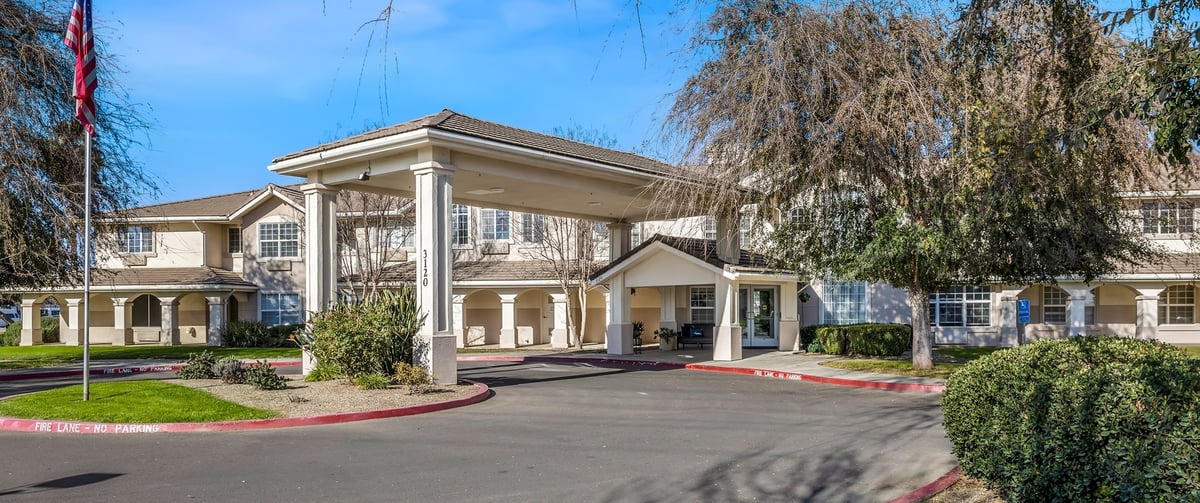
At Marbella Visalia, families can explore both Assisted Living and Memory Care when considering the level of support that best suits their loved one's needs.
Structured Programming for Cognitive Engagement
Another factor behind the dementia care cost difference is the specialized programming available in memory care communities.
Rather than offering the same daily schedule to everyone, memory care programs consider residents' interests, abilities, and personal histories. Programs may include:
- Sensory experiences that encourage engagement
- Music and familiar songs that support emotional connection
- Reminiscence programs centered on meaningful memories
- Gentle movement and small-group social opportunities
Creating these experiences requires thoughtful planning, specialized materials, and dedicated associate time.
Programs such as Vibrant Life® reflect the importance of meaningful daily engagement. Individual preferences and familiar routines also help shape opportunities for participation.
Personalized Support Plans and Ongoing Assessments
Memory care involves more than assistance with everyday routines. Residents living with dementia may experience changes in communication, mobility, or emotional well-being that require adjustments to their support.
How Individualized Planning Affects Costs
Regular assessments help associates understand changing needs and update personalized support plans. This process involves communication, coordination, and ongoing attention to each resident's preferences.
Families also benefit from opportunities to discuss their loved one's experiences and changing needs. These conversations help maintain consistency between community support and family expectations.
The additional planning and coordination contribute to specialized dementia care costs. However, they also help families understand how their loved one's needs are being addressed.
Specialized Dining and Nutritional Support
Dining is another important consideration when comparing memory care vs. assisted living pricing. Residents living with dementia may experience changes in appetite, food preferences, or their ability to use utensils.
Memory care dining programs may provide additional assistance through verbal cues, adapted meal presentations, and individualized mealtime support. Smaller dining environments can also help residents feel more comfortable and focused.
Marbella Visalia offers Elevate® Dining, featuring freshly prepared meals and familiar favorites. Its Memory Care approach emphasizes recognizing each resident as an individual, an important consideration when supporting personal dining preferences and routines.
Additional assistance, specialized preparation, and associate attention during meals can all contribute to higher operating costs.
Making Informed Decisions About Care Options
Understanding why memory care costs more than assisted living helps families compare services based on their loved one's needs rather than monthly pricing alone.
Comparing Costs and Services
At Marbella Visalia, families can explore different apartment home layouts, including suites for Memory Care and one- and two-bedroom options for Assisted Living.
When comparing pricing, ask which services are included, whether additional support affects monthly fees, and how costs may change as needs evolve.
Is Memory Care Worth the Additional Cost?
For someone living with dementia who needs specialized supervision, personalized engagement, and additional daily support, memory care may offer meaningful value.
The right choice depends on individual circumstances, not simply the lowest monthly rate.
Schedule a tour of Marbella Visalia to explore Assisted Living and Memory Care, discuss available apartment homes, and request personalized pricing for your loved one's needs.